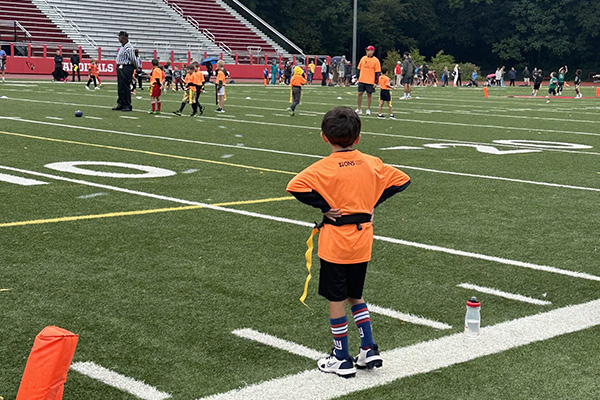
Sports are amazing for kids, and the benefits include so much more than mere fun. They help children socialize naturally, get exercise, teach teamwork and resilience, and build community. But if your kid isn’t sporty, it can feel like they’re missing out on all of this.
“Unfortunately, for many kids, particularly boys, there’s an unspoken cultural message that sports, especially team sports, are the primary way to belong or prove yourself,” says psychologist Reon Baird-Feldman, PhD, a mom of two. “If a child doesn’t connect with sports, it can feel isolating—like something is wrong with them, rather than understanding that they simply have a different set of strengths and interests,” says Dr. Baird-Feldman.
The first step? Don’t worry too much, especially if your kids are younger than six. According to the American Academy of Pediatrics, kids younger than that shouldn’t really be in team sports, anyway. However, if older kids resist, there are alternatives that will help them learn these same skills and have similar experiences.
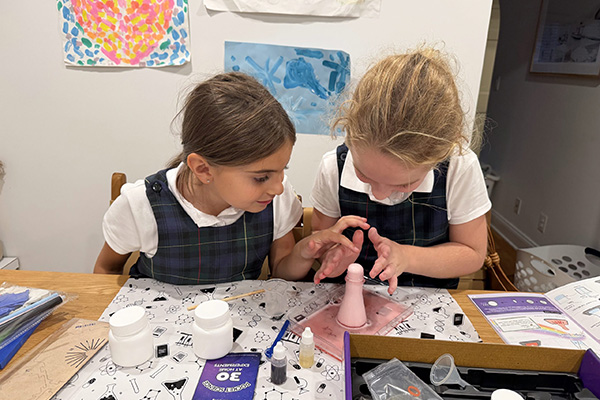
Here’s what you should know if your kids are not sporty:
You Shouldn’t Ignore It
Depending on where you live, not having a sport isn’t an easy thing—and it’s important to understand that. “As a psychologist, I see this show up in late adolescence and adulthood as low self-esteem, social withdrawal and reluctance to try new things. There’s an internalized belief that they won’t be good at something considered a social norm, so they avoid trying altogether to protect themselves from the risk of rejection or embarrassment,” notes Dr. Baird-Feldman.
There Are Other Ways To Build Community & Confidence
Kids need to belong at school, at home and one more place. That can be on a team, but that’s not the only route. “School provides academics but not always the lower-pressure social experiences where kids can be creative, explore who they are, and build a sense of self. Community isn’t one-size-fits-all, so it’s important for parents to seek alternative opportunities (e.g., martial arts, coding clubs, theater, art classes, golf, horseback riding) for kids to socialize, learn and work together,” says Dr. Baird-Feldman.
Playdates Are Great But Aren’t The Same
“Play dates or hangouts (as my eldest prefers to call them), provide unstructured opportunities to socialize, negotiate, be more disinhibited and just allow kids to be themselves. Organized activities on the other hand, offer them a sense of practice, mastery and belonging, around shared interest,” explains Dr. Baird-Feldman. She emphasizes the need for both types of interaction. “For non-sporty kids especially, finding that one activity where they feel competent and accepted can be life-changing. I think that every child deserves at least one place in the world where they can walk in as themselves and feel like enough,” she says.
Alternatives to Sports
Check out our shortlist of inspiration, below:
Music
Group lessons are good, but programs like School of Rock that allow kids to play in a band early on are even better.
Theater Groups
The reputation of theater kids being a close-knit group is well-earned. Working on a production together, whether in the cast or on the stage-crew, creates instant community.
Horseback Riding
Riding lessons that incorporate caring for the horses together helps kids feel a part of something.
Scouts
Working together to earn merit badges while spending time outdoors is a great option for non-sporty but outdoorsy kids.
In addition, check out art, chess, and other classes with groups the meet regularly with the same kids. Or start your child with individual sports like golf and tennis that will offer team options when they get older. Whatever you offer your child, know that it’s worth the effort.
Says Dr. Baird-Feldman: “Seeking out experiences like the ones above are sometimes a little more timing consuming than simply When parents do this, they send their child a powerful message: your interest matter and there’s a place for you. This allows a greater sense of belonging and self-confidence.”
Psychologist Reon Baird-Feldman, PhD is the founder of Parent Script Lab, an upcoming app which helps parents navigate challenging parenting moments with therapist-informed scripts and communication tools.
More from the Local Moms Network
What to Say When…Your Child Says “I Hate Myself”
Youth Sports: When to Start Travel, Dealing with Disappointment & More
Spring Sports: How to Have a Great Season
Healthy Sports Parents: Podcast Dad Talks Reality, Resilience & Reasons for Playing