As children grow beyond early childhood, their minds evolve in profound and inspiring ways. At St. Catherine’s Montessori, learning beyond the classroom isn’t an occasional event—it’s an essential part of the student experience. Beginning in Elementary and expanding into adolescence, students step into the world as active participants, not just observers.
Elementary (Ages 6-12): Reasoning Minds in Action
From the ages of 6-12, children enter a critical developmental period characterized by a “reasoning mind” and an intense drive to understand how and why things work. During these Elementary years, students ask moral questions, seek justice, and begin looking for their place within the community. The classroom alone cannot satisfy their boundless curiosity.
Montessori “Going-Out” Stands Out
Unlike traditional field trips where students follow a teacher’s agenda, St. Catherine’s students initiate and lead going-out excursions to extend their interests and practical skills.
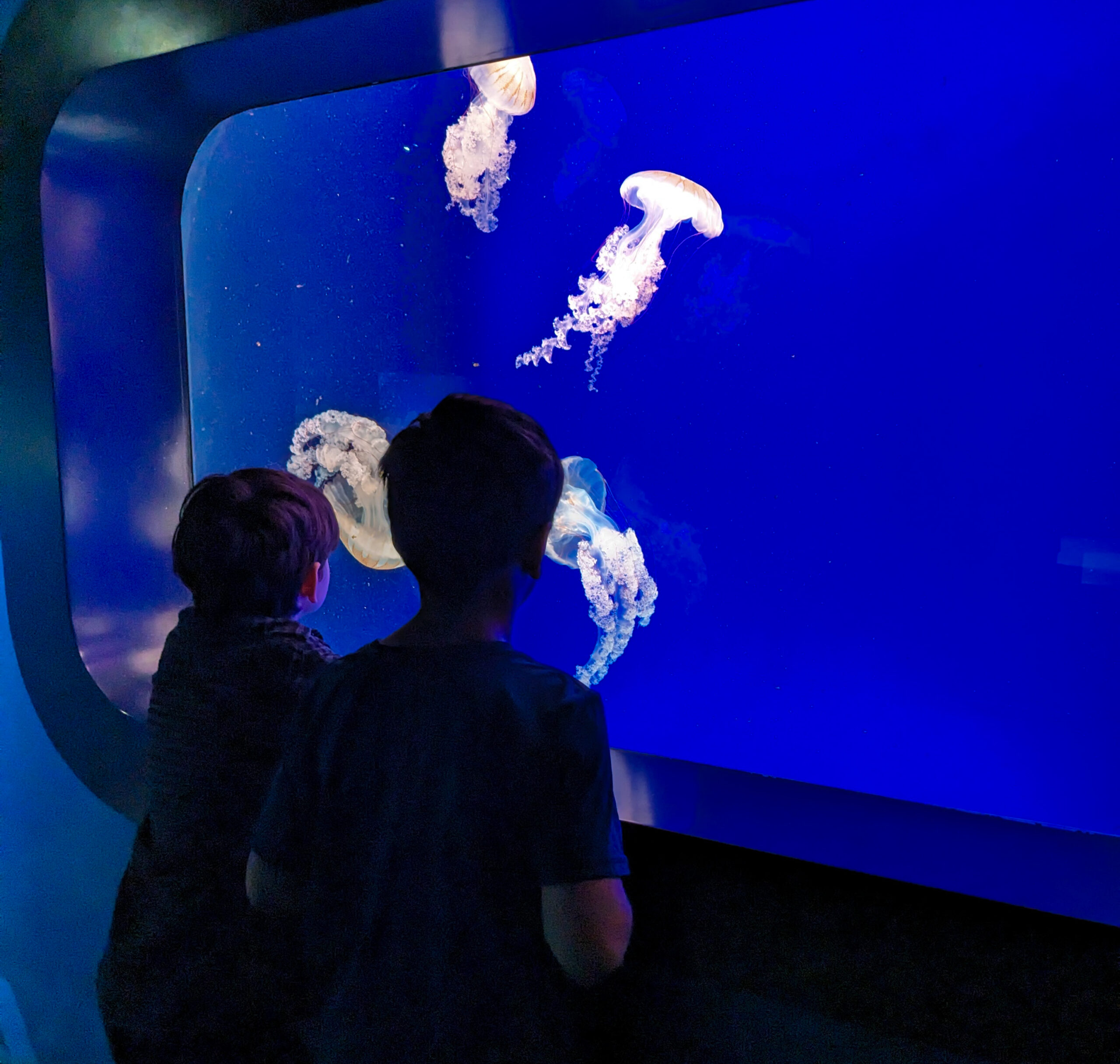
- Student Interests & Class Needs: Whether visiting a museum, grocery store, or local pet shop, students seek answers and meet practical objectives.
- Student-Led Planning: Students identify the purpose of their outings, research destinations, and schedule appointments.
- Practical Life Skills: They handle logistics like calling parent drivers and destinations, budgeting for expenses, and navigating public spaces.
- Hands-On Learning: Projects include pre- and post-trip work where students present their findings to peers, reinforcing critical thinking and communication skills.
This ongoing process builds confidence, teamwork, and practical life skills that extend beyond the classroom. Most impressively, the students take ownership of the process from start to finish with adults serving only as a resource.
Overnight Adventures: Expanding Horizons
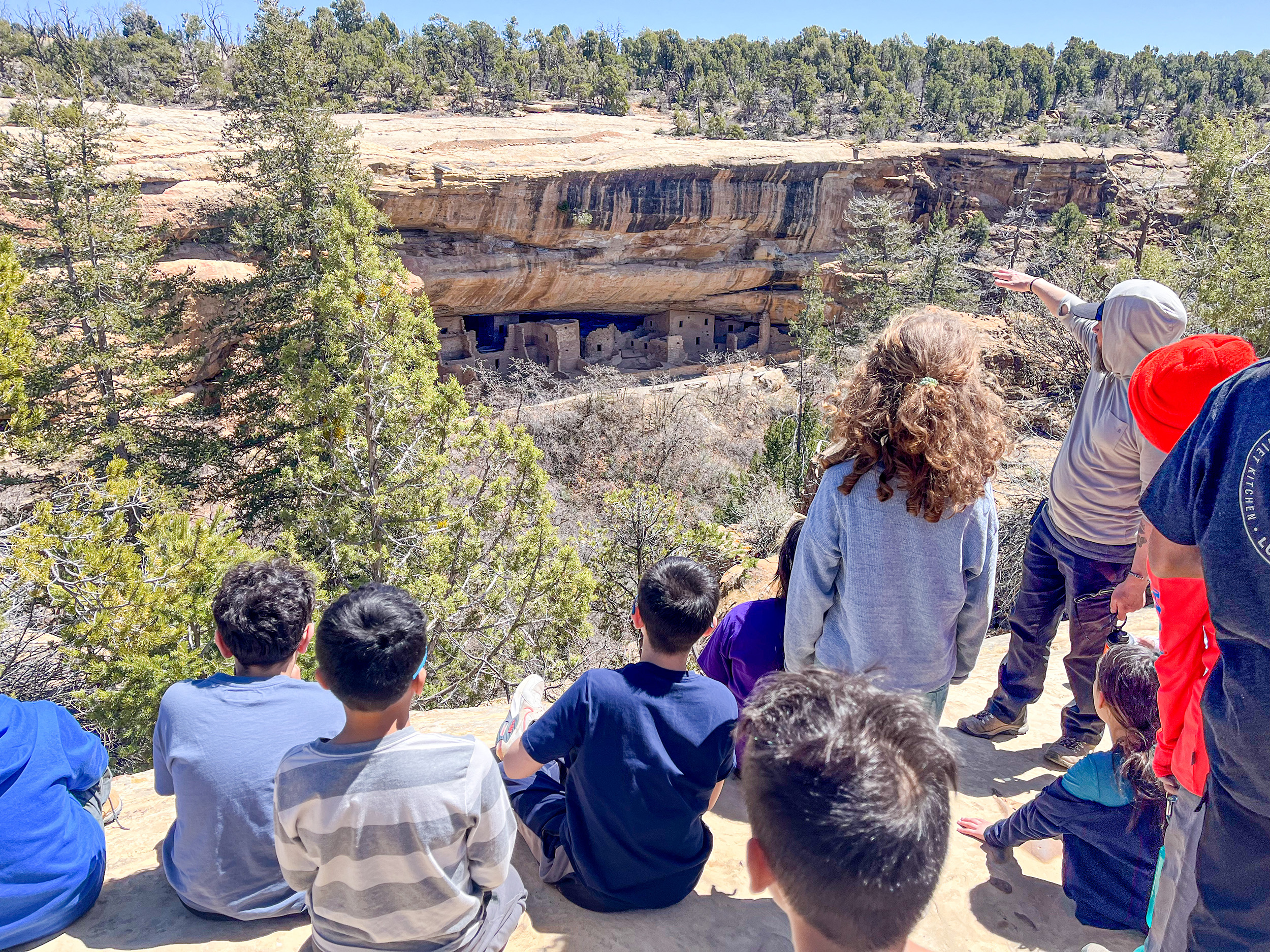
Larger group overnight travel experiences round out this stage of exploration. Over the six years of Elementary, students take progressively longer overnight trips around Texas and the United States. These trips deepen their understanding of larger academic themes and build practical travel skills. Forgotten socks or rain gear become opportunities for problem-solving and collaboration among peers, allowing for meaningful learning from natural consequences while stakes are still relatively low. The multi-age classroom structure enhances this experience, as older students mentor younger ones, modeling leadership and offering emotional support.
Adolescence (Ages 12-18): Applying Knowledge in the Real World
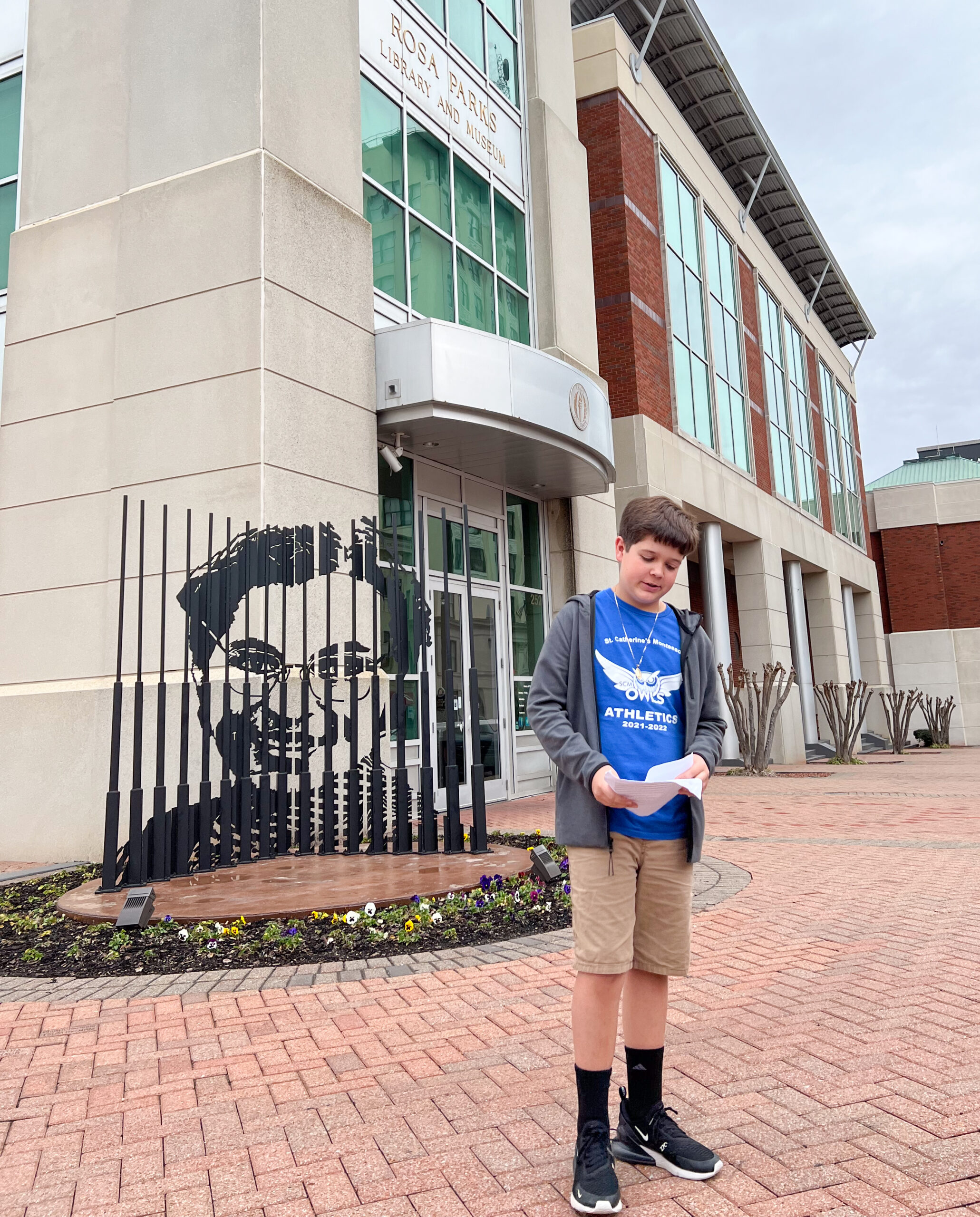
By the time students enter adolescence, these real-world learning experiences become even more intentional and expansive. Service and travel experiences in the Adolescent Community (7th-9th grades) and High School (10th-12th grades) reinforce Montessori’s belief that adolescents are not only ready for academic rigor but also for meaningful work that impacts their community and the world–effectively preparing them for adult life.
Integrated Learning Through Travel and Service
- Service Learning: Working directly with community partners, adolescents engage in meaningful service and reflect on the social impact of their contributions.
- Academic Integration: Every student participates in trips that intertwine science, humanities, and social justice themes, bringing study to life and challenging students to think critically and compassionately – travel is not optional or extra-curricular.
- Leadership and Independence: Students plan every detail of these trips—from researching travel logistics to managing transportation and lodging. Adolescents also practice economic independence by budgeting for meals and snacks on their trips.
Culminating Experiences: International Travel
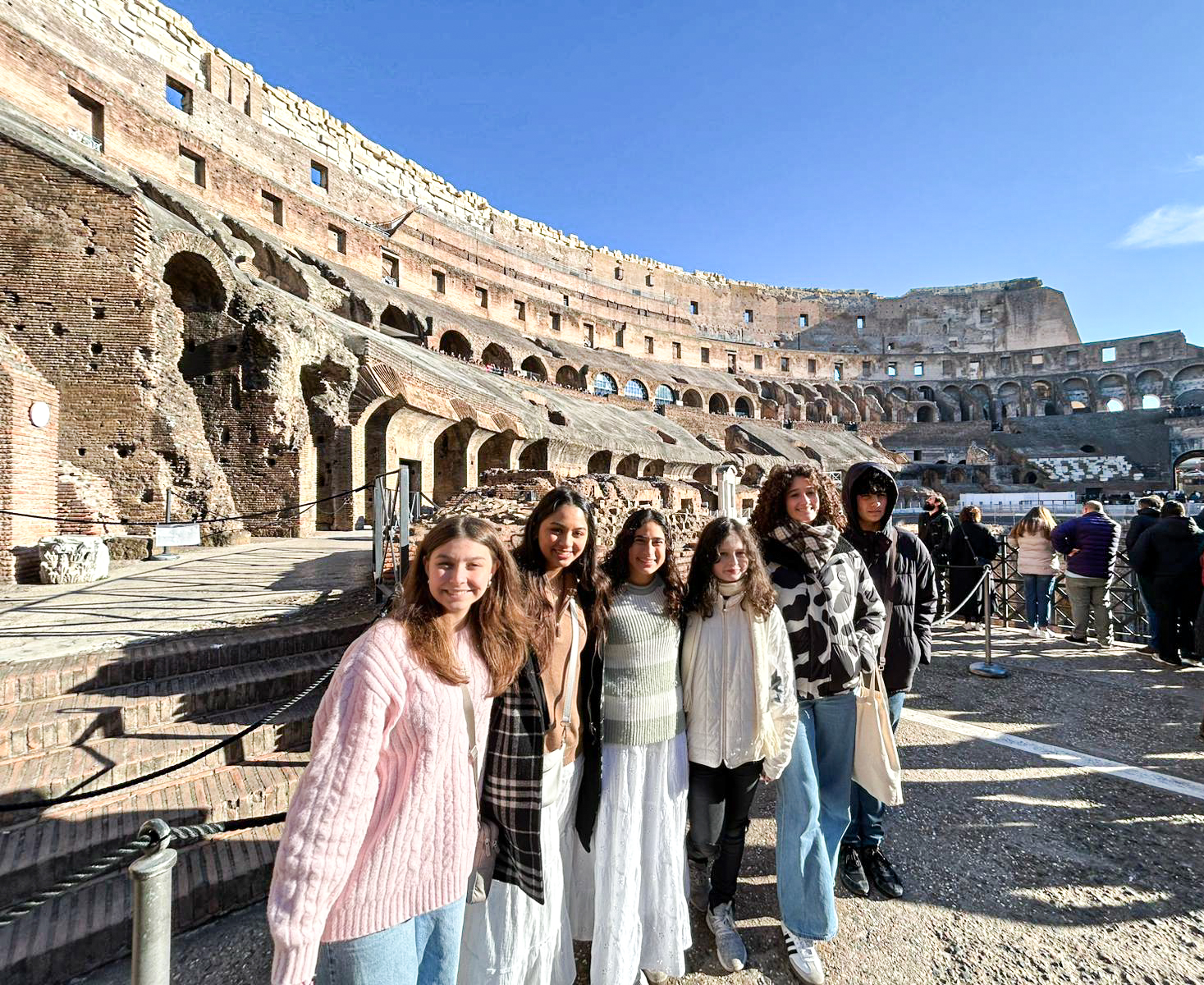
Ninth graders embark on a Spanish immersion trip to Costa Rica, applying their Spanish learning to communicate with host families and work on local farms. Seniors plan and lead an international trip, to destinations like Greece and Italy. From managing itineraries to navigating real-world challenges like language barriers and public transit, students develop organizational skills, cultural competence, and global awareness. These transformative journeys prepare students to think critically, lead confidently, and engage compassionately with the world beyond school.
Why It Matters
Dr. Maria Montessori believed that education should serve as an “aid to life.” St. Catherine’s Montessori embodies this philosophy by offering travel and real-world experiences that promote independence, resilience, and global stewardship. Students graduate with more than academic knowledge—they possess the self-awareness, leadership, and empathy to engage meaningfully with their communities and the world.
Discover how St. Catherine’s Montessori fosters confident, compassionate, and capable global citizens from early childhood through high school at the next Open House on January 14, 2025.